Translate

DO YOU KNOW?-3

DO YOU KNOW?-3
CREATININE CHEMISTRY

Translate

Sunday, 28 May 2023

BRAIN MAPPING

BRAIN MEANDERING PATHWAY 


Maturity, the thinking goes,
comes with age. However, this
the journey from childhood to
adulthood is uneven: some
mental attributes surface faster than others, some are
more pronounced in girls,
and poverty and trauma have
an outsized influence on cognitive development, says one
of the largest studies of its
kind, spanning nearly 9,000
children and young adults
from India.

The C­Veda

The study is part of a long-term project called the ‘Consortium on Vulnerability to
Externalizing Disorders and
Addictions’ (C­Veda). It aims
to follow up on those tested over
decades, and evaluate the effect of biological and environmental risk on cognitive
development.
Brain development progresses from childhood to early adulthood with wide­ranging connections among
neurons in multiple parts of
the brain. This connectivity significantly influences abilities such as temporarily holding chunks of information,
called ‘working memory (for
instance, memorizing a phone
the number before writing it
down) and ‘set shifting’ (iterating multiple ways to solve a
puzzle). These skills are classified as executive functions.
Another category of functions, called social cognition
help mediate relationships.
A consortium of psychiatrists, neurologists, and psychologists from India and the U.K.,
investigating the Role of Environment and Genetics on
brain development analyzed
four kinds of executive functions: verbal working memory, visuo­spatial working memory, response inhibition (the
ability to stop one task and begin another), set­shifting and
two kinds of social cognition:
faux pas recognition (inferring
social cues) and emotion recognition (inferring another’s
state of mind).
They report, in the April
2023 edition of the peer­reviewed Asian Journal of Psychiatry, that ‘working memory’ develops first, followed by
inhibitory control and finally
cognitive flexibility. However,
certain abilities such as visual
and verbal reasoning stabilized by late adolescence and
didn’t rise as people aged, whereas cognitive ability and
emotional cognition continued to develop even after
adolescence, Eesha Sharma,
the lead author of the study, Senior Resident Department of Psychiatry National Institute of Mental Health & Neurosciences Bangalore - 560029. 
The studies, spanning a
range of socio­economic
groups, ages, urbanization
and gender also found that
children who manifested certain traits to a high degree outperformed their peers in that
skill even as they aged, while other traits didn’t constitute a
permanent advantage.
“Response inhibition has a
ceiling. If you are low performing early on, you will
catch up as you grow older. It
was the other way, however,
in verbal working memory. Those who did well in early
childhood continued to significantly outperform their
peers,” said Dr. Sharma, an assistant professor at the National Institute of Mental Health
and Neurosciences, Bengaluru. “However, what all this
means in the real world is a
question that we are still analyzing.”  
Complex abilities
The more ‘complex abilities’ —
response inhibition, cognitive
flexibility, and emotion recognition — are “maximally impacted” by environments
such as poverty or childhood
adversity. “No matter which ability
you are looking at, children in
wealthier households do better,” she said. 
C­Veda expects to map the
brains of those participating
in the study and evaluate and
compare neurologically
development. “If we can generate brain development charts across ages, just like how there are
charts for physical growth, it
could be a valuable tool in
schools and mental health assessments,” Dr. Sharma said.


Saturday, 20 May 2023

English Medicines - Things to watch out for

 Allopathic Medicine -Caution


What are the limitations of allopathic medicine?

Risks of Allopathic Medicine

1. Harmful Drug Interactions:
This can happen when a drug reacts with food or supplements a person has taken.
2. Allergic Side Effects:
One does not know that one is allergic to a particular ingredient until the medicine is consumed.
For example, a person who buys a soda at the store and drinks it for gas can cause a reaction if the person is allergic to sodium.
He also takes antacids and eats them. If he is allergic to calcium, magnesium, or aluminum, he will definitely experience allergic reactions.
3. Unexpected Side Effect:
This condition occurs when the medicine works differently than the doctor expected.
A situation like this can happen very rarely in English Medicine.
Most English medicines are chemicals. When these are used carelessly, internal organs like the heart, liver, and kidney are affected.
For example, excessive use of paracetamol can lead to liver damage.
Excessive use of non-steroid pain relievers can lead to complications such as stomach ulcers, kidney failure, and liver damage.
Steroid medications such as beclomethasone, prednisone, and others are very useful for asthma. However, if consumed regularly, they destroy the body's immune system.
Medicines taken orally or by injection provide faster relief but also cause harm faster.
On the other hand, ointments applied to the skin and drugs absorbed by inhalation have slower results but less harm.
For example, oral asthma medications such as prednisone may provide permanent relief but can have very serious side effects.
On the other hand, oral inhalers such as beclomethasone are less harmful but less effective.
Thus none of the English medicines are without side effects.
Thus the medicine you take to cure one disease can produce other diseases in your body due to its side effects.
So the basic aim of English medicine is that you should always be patient and die dependent on medicine. It is a corporate business strategy.
Arms dealers celebrate when there is always a conflict between countries.
That If you are always patient, celebrations with the drug dealer.
Sleeping pills and anti-anxiety drugs should not be sold without a doctor's prescription. In some pharmacies, these controlled medicines can be obtained without a prescription directly on the counters
This shows the irresponsibility of the pharmacies whose business objective is the main one.
These can cause deadly drug addiction. Due to this, the nervous system is affected when they are eaten regularly.

Disadvantages of allopathic medicines

✊It does not focus on absolute health.
Allopathy treats only a part of the disease but does not completely eliminate the root cause of the disease. Therefore, allopathy is not a holistic approach to best-practice medicine. The disease may recur after allopathic treatment, leading to the expenditure of both money and time.
✊Allopathic medicines can destroy good bacteria.
Allopathic medicines can interact with other medicines and cause adverse effects that reduce the effectiveness of other treatments. They kill normal protective bacteria in the body while allowing bad bacteria to grow.
✋Blind-taken-pill approach
Doctors don't get much attention and information about your nutrition or healthy lifestyle. So they can only offer a little advice on diet and exercise, but they don't care about major lifestyle changes. In emergency situations, the patients are told to take pills or medicine without any basic medical advice.
✊Drugs do not cure disease, they only control it
Medicines prescribed by allopathy often do not cure the disease causing the problem, instead, they suppress the disease for some time or change the function of the body. Long-term use of allopathic medicines may cause some chronic latent side effects which may later become life-threatening.
✊Draconian treatment procedures in allopathy can be dangerous.
Overdoses are very common to hear. But it can cause fatal incidents. These quick-relief drugs can make you addicted, and an overdose of such drugs can lead to organ failure or even death sooner or later.
✊Allopathy does not judge pros and cons
Allopathic medicines are usually prescribed only for the superficial symptoms, not for the underlying symptoms or underlying causes. Different body type medicines are often overlooked by doctors. Quick but temporary relief drugs are the main essence of the allopathic medicine market.
✊Does not examine the entire issue calmly
Most of the time doctors are too busy with hectic schedules and long queues of patients, and they miss correct diagnoses and minute details. There is also a chance of being misdiagnosed and receiving the wrong treatment or wrong allopathic medicines

Outcome (Conclusion)

This is because of the natural human tendency to get rid of problems as quickly as possible. People resort to allopathy to get rid of ailments quickly, even if it is temporary. Due to this haste and impatience, they often undermine and completely ignore the major drawbacks of allopathic medicines, which is why the continued use of such medicines leads to side effects that become long-term problems.

Thursday, 29 September 2022

Doctors running inside our bodies- Autocoids

Doctors running inside our body- Autocoid hormones


Autacoids are biological factors (molecules). They act like hormones in specific areas of the body. They are short-lived and act close to their area of synthesis and secretion. The word autacoid comes from the Greek words "autos" (self) and "acos" (relief; ie, medicine).

Consequences & Effects

The effects of autacoids are primarily localized to the area where they are secreted, although sometimes larger quantities are produced depending on need and may be transported by the bloodstream to other sites of circulation. But mostly autocoids like histamine, prostaglandin, and serotonin are not secreted into the bloodstream. They are secreted locally. Autacoids can have systemic effects in many parts of the body when transported through the bloodstream.
Some autocoids are characterized mainly by their effect on specific tissues such as smooth muscle. 
As for vascular smooth muscle autocoids, they are classified into two categories: vasoconstrictors and vasodilators. The vasodilator autocoids are released during exercise. Their main effect is found in the skin, where they facilitate heat loss.
When they act as local hormones, they have a paracrine (cellular interaction) effect. That is, the cells communicate with each other through these hormones.

Categories:-

1. Eicosanoids, (prostaglandins) 
2. Angiotensin, 
3. Neurotensin,
 4.NO (Nitric Oxide),
 5. Kinins,
 6. Histamine,
 7. Serotonin,
 8. Endothelins and 
 9. Palmitoylethanolamide
are some notable autocoids.

Side Effects of Blocking Autocoids:-


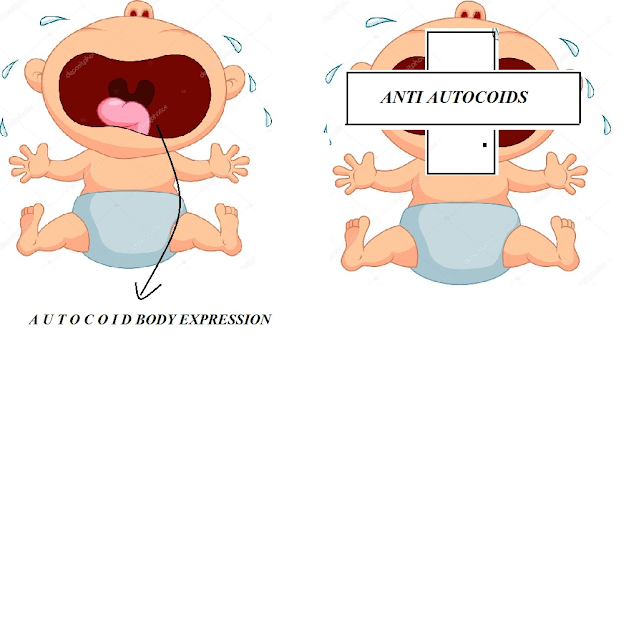
Disabling autocoids is like trying to silence a crying baby without caring what the problem is.
Most of the time our body solves small problems through autocoids, but sometimes when the problems are not solved our body will cry out the pains that speak through autocoids. In this case, if the autacoid secretions are blocked by taking an autocoid blocker, the pain will temporarily stop. But the problem is not solved. It stays inside the body.
Let's take histamine as an example as seen in the table above. Side effects of using histamine blockers are described in the table. Similarly, the effects of disabling other autocoids are also explained in the table.

Conclusion

In 2015, a new definition of autocoids was proposed, which helps to describe autocoid medicine more specifically: '"Autocoids are modulating factors, produced in specific areas. They affect the function of cells and/or tissues in specific areas, they are produced on demand, and then by the same cells and/or tissues they are metabolically destroyed.


Monday, 25 July 2022

Toxicities of non-steroidal anti-inflammatory drugs

Patterns of toxicity and dangerous overdoses of acute non-steroidal anti-inflammatory drugs (NSAIDs). 

Summary

Nonsteroidal anti-inflammatory drugs (NSAIDs) are most widely used for their analgesic, anti-inflammatory, and antipyretic properties. 
Most patients with acute NSAID overdose are asymptomatic or have minor self-limiting gastrointestinal symptoms. However, among these patients with severe NSAID overdose, serious side effects have been reported more frequently. It also includes seizures, metabolic acidosis, coma, and acute renal failure.
There appears to be some difference between NSAIDs in terms of relative risk of these complications; Mefenamic acid in particular is commonly associated with seizures. Although management of these serious side effects is often straightforward, there are no specific antidotes for acute NSAID toxicity.

Background

Nonsteroidal anti-inflammatory drugs (NSAIDs) are a group of structurally diverse drugs with a common mode of action (reversible inhibition of cyclooxygenase). They are widely used for their analgesic, antipyretic and anti-inflammatory properties; Also available as prescription and over-the-counter medications; and are also available as stand-alone pharmaceutical products, combination pain reliever products, and cough and cold products.

Pathology of acute NSAID poisoning

Fig-2
COX-1--Permanent
COX-2--Transient


NSAID pain medications are commonly consumed in high doses in many parts of the world. A 2009 annual report from the American Association of Poison Control Centers' National Poison Data System (NPDS) showed that analgesics were the most common type of drug overdose in adult patients (10%) and the second most common type in pediatric patients (9%).
Acetaminophen (Panadol, or Paracetamol) and its derivatives were found to be used in acute doses (42%) as common pain relievers.
NSAIDs account for 33% of acute consumption of analgesics. Ibuprofen (Brufen) was the most common NSAID taken in high doses (81%), followed by naproxen (11%). This data has not changed significantly over the last decade.

Pharmacology

Fig-2


Many of the toxic effects of NSAID therapy result from the reversible inactivation of the group of enzymes known as cycloxygenase 1 & 2 by NSAIDs (Figure-1,2).
The enzymes act on the thermoregulatory center in the hypothalamus to produce fever. They are also involved in regulating inflammation-regulating secretions and promoting the sensitivity of pain fibers.
Therefore NSAID inhibition of these effects is responsible for any adverse side effects of NSAID therapy as antipyretic (antipyretic), anti-inflammatory, and analgesic.
However, prostaglandins play an integral role in maintaining gastrointestinal mucosal integrity and renal blood flow and also play an important role in balancing platelet aggregation. The side effects of disabling these are responsible for many of the side effects seen in the therapeutic use of NSAIDs - particularly dyspepsia, gastric/small bowel ulceration, and renal failure. 
NSAIDs cause adverse effects in the gastrointestinal tract by inhibiting the formation of cytoprotective prostaglandins in the stomach.
Most NSAIDs act through both types of cyclooxygenase (COX-1 and COX-2) and are generally (UNSPECIFIED). In the early 1990s, two isoenzymes of cyclooxygenase (COX-1 and COX-2) were identified. COX-1 is present permanently in most tissues throughout the body. At the same time, COX-2 is transiently produced by inflammatory factors.
In light of this, recently developed NSAIDs have been designed to act more specifically on the COX-2 isoenzyme. However, several recent studies have shown that therapeutic use of NSAIDs that act specifically through COX-2 (eg, rofecoxib, celecoxib) is associated with cardiovascular disease.

Digestion, absorption, assimilation, and metabolism

NSAIDs are rapidly absorbed orally, with peak blood levels occurring within 2 hours of ingestion of stable releasing preparations. While delayed release and enteric coated preparations (Delayed Release, and Enteric Coated Preparations) usually reach peak concentrations within 2-5 hours of ingestion.
Super therapeutic doses have been approved to modify the kinetics of many NSAIDs, including naproxen and mefenamic acid. That's because those doses prolong absorption and delay peaking.
NSAIDs are weakly acidic and are more than 90% protein bound (>90% Albumin Bound), so their minimum volume of distribution is approximately 0.1-0.2 L/kg. Metabolism occurs mainly by oxidation and conjugation in the liver, less than 10%-20% of NSAIDs are excreted through the kidneys without any metabolic changes.

MECHANISMS OF TOXICITY

The mechanism of toxicity of excessive NSAIDs appears to be mainly a result of over-inhibition of COX-1 and decreased prostaglandin synthesis. The metabolic acidosis seen in acute NSAID toxicity is not related to COX inhibition, but rather to the accumulation of acidic waste products of acidic metabolites. The gastrointestinal tract, kidneys, and central nervous system (CNS) are mainly affected by therapeutic use and overdose.
Gastrointestinal (GI) disorders occur in two different ways. Prostaglandin inhibition reduces gastric mucosal viscosity and bicarbonate synthesis decreases gastric blood flow and improves acid production. The gastric effects of NSAIDs are also known to be due to direct cytotoxic or tissue damage to the mucous gland. Nausea and mild upper gastric discomfort with chronic use upper gastrointestinal discomfort,  gastric/ and anterior small bowel ulceration, gastrointestinal bleeding
leads to vulnerability.
Renal reactions seen with the therapeutic use of NSAIDs and NSAID overdose are related to the vasodilating effects of prostaglandins on the renal arteries. In patients with normal physiologic control of renal blood flow, NSAID renal damage is unlikely at therapeutic doses because the role of prostaglandins in protecting renal blood flow is minimal.
However, in patients with low blood volume (eg, associated with excessive vomiting) or high levels of angiotensin (eg, patients with heart failure or cirrhosis), prostaglandins contribute to maintaining adequate renal blood flow. In such patients, inhibition of prostaglandins, which help maintain glomerular filtration rates, can be harmful and lead to renal failure. Chronic NSAID use can lead to cellular interstitial nephritis.
Excess anionic release in the blood and metabolic acidosis is known to follow an overdose of NSAIDs. Acidity can also be increased by vomiting and alcohol consumption.
Inhibition of COX-1 also affects platelet aggregation by reducing thromboxane-A2 formation. This has implications for patients receiving concomitant anticoagulant (anticoagulant-prevention of blood clotting) or antiplatelet therapies, therefore creating an increased risk of excessive bleeding in these patients.

Patterns of NSAID Overdose Toxicity

Acute poisoning and death resulting from acute toxicity of NSAIDs are extremely rare. Most cases are asymptomatic or produce only minor gastrointestinal symptoms.
However, several reports of mefenamic acid overdose have been reported, with serious overdoses of this drug inducing seizures.
Very large NSAID overdoses have resulted in significant clinical events in some patients, including renal failure, acid/base disturbances, and CNS toxicity. It is important to note that deaths from single NSAID infusions have also been reported.

Thursday, 30 December 2021

Lung Cancer-3-Treatments-a

a-Surgeries

LUNG CANCER


Surgery for small non-cellular lung cancer 

Surgery to remove cancer may be an option for non-early stage small cell lung cancer (NSCLC). This provides an excellent opportunity to cure the disease. However, lung cancer surgery is a complex surgery that can have serious consequences, so it should be performed by a surgeon with experience in lung cancer surgery.
If your doctor thinks cancer can be cured by surgery:

 ðŸ’¥Lung function tests will be done to see if you have enough healthy lung tissue after surgery.
 ðŸ’¥Tests will be done to check the function of your heart and other organs and to ensure that you are healthy enough for surgery.
💥Your doctor should check if cancer has already spread to the lymph nodes between the lungs. This is often before surgery.
💥Is performed with mediastinoscopy or another technique described in lung tests.

Types of lung surgery

Different functions may be used to treat (and possibly cure) NSCLC. Through any of these operations, nearby lymph nodes are also removed to detect the spread of cancer. These activities require general anesthesia (you are in a deep sleep) and in general,
💥Thoracotomy: This surgery is performed by incision between the ribs on the side or back of the chest. (This treatment is called thoracotomy).
💥Pneumonectomy: This surgery removes the entire lung. This may be necessary if the tumor is near the center of the chest.
💥Lobectomy: The lung is made up of 5 lobes (3 on the right and 2 on the left). In this surgery, the entire flap containing the tumor (or tumors) is removed. If this can be done, this is often the preferred surgical method for NSCLC.
💥Segmentectomy or wedge resection: In these surgeries, only part of the flap is removed. This approach can be used if a person does not have sufficient natural endurance.
💥Sleeve resection:: This surgery can be used to treat some cancers of the large airways in the lungs. The large airway with the tumor is similar to the sleeve of a shirt with a stain a few inches above the wrist, and the sleeve resection is like cutting the top and bottom (tumor) across the sleeve (airway) and then sewing the cuff. This surgery can be performed by a surgeon instead of a pneumonectomy to preserve more lung function on the re-compressed sleeve.
The surgery recommended by your doctor depends on the size and location of the tumor and how well your lungs are functioning.
If a person's lungs are healthy enough, only then doctors will often seek to perform a comprehensive surgery (for example, a lobectomy instead of a segmentectomy) as it may provide a better chance of curing cancer.
When you wake up after surgery, a tube (or tubes) will come out of your chest and attach to a special container to allow excess fluid and air to escape. The pipe (s) will be removed once the liquid drain and air leakage are sufficiently reduced. Generally, you should stay in the hospital for 5 to 7 days after surgery.
Video-Assisted Thoracic Surgery (VATS): -
Video-assisted chest surgery (VATS), also known as thoracoscopy, is a procedure often used by physicians to treat early-stage lung cancer. It uses small incisions, usually performed with a small period of hospital stay, and has fewer complications than thoracotomy.
Most experts recommend treating only the early stages of lung cancer in this way. The healing rate after this surgery is the same as for surgery with a large incision. But it is important that the surgeon who performs this procedure is experienced because it requires more skill.

Robot-assisted thoracic surgery (RATS)

In this approach, thoracoscopy is performed using a robotic system. The surgeon sits on a control panel in the operating room and moves the robotic arms to operate through several small incisions in the patient's chest.
RATS is similar to VATS in terms of lower pain, blood loss, and recovery time.
To the surgeon, this robotic system of moving tools may offer greater efficiency and greater accuracy than basic VATS treatment. However, the most important factor for the success of both types of breast surgery is the experience and skill of the surgeon.

Possible risks and side effects of lung surgery

Surgery with potential risks for lung cancer can have many major and serious side effects, which is why these treatments are not a good idea for everyone. While all surgeries have certain risks, these depend on the size of the surgery and the overall health of the person, and the severity of the surgery.
Possible complications during and after surgery include anesthesia, excessive bleeding, blood clots in the legs or lungs, wound infections, and pneumonia. Rarely, some people cannot survive the surgery.
Lung cancer usually takes weeks to months to recover from surgery. If the surgery is done with a thoracotomy (a long incision in the chest) the surgeon will have to stretch the ribs to go to the lungs, so the area near the incision will be painful for some period of days after the surgery.
Your activity may be limited to at least one or two months. People with VATS instead of thoracotomy have less pain after surgery and heal faster.
If your lungs are in good condition (except for cancer) and a flap or even the entire lung is removed, you may return to normal after a while. If you have another lung disease such as emphysema or chronic bronchitis (which is common among long-term smokers), shortness of breath may occur with some activity after surgery.

Surgery for lung cancer that has spread to other organs:

If the lung cancer has spread to your brain and there is only one tumor, you may benefit from removing the tumor. This surgery should only be considered if the tumor in the lung has been removed or treated (with radiation and/or chemotherapy).
Surgical removal of a tumor in the brain is called a craniotomy. It should only be done if the tumor is removed without damaging vital parts of the brain.


Monday, 6 December 2021

Lung cancer-2

Patient Education: Risks, Symptoms, and Diagnosis of Lung Cancer 

Lung cancer is a serious disease that affects many people and their families. Lung cancer is the leading cause of cancer death in the United States. Cigarette smoke causes most lung cancers, but there are a number of factors that can cause lung cancer.
If a person has lung cancer, tests can determine the type of lung cancer and whether it has spread. If cancer is suspected, X-rays, imaging scans, and blood tests should be done. A biopsy is a procedure that removes small tissue from a tumor so it can be examined and examined under a microscope.
When cancer spreads, it is called "metastasis". Cancer status is determined by the size of the tumor and whether it has spread to the lymph nodes or other parts of the body. The condition worsens as the tumor enlarges or metastasizes. One of the guiding factors in treatment options is the stage of the disease.
This article will discuss the risks of developing lung cancer, the different types of lung cancer, the symptoms, and testing for people with lung cancer. Finally, this article will review the steps taken to determine each stage of the disease.

Some additional risk factors

Age: -
The risk of developing lung cancer increases with age. Lung cancer can occur in young people, although it is more common in people under 40 years of age. After the age of 40, the risk of developing lung cancer slowly increases each year.
Family and genetic risk: -
Some people have a genetic predisposition to lung cancer. Anyone with a first-degree relative (parent or sibling) who has been diagnosed with lung cancer is at risk of developing lung cancer.
Lung Disease and Other Cancers:- 
People with another type of cancer may be at risk of developing lung cancer.
This is especially true for those who use tobacco-related cancers, such as throat cancer, or who have received radiation therapy for the chest area. In addition, people with chronic obstructive pulmonary disease (COPD) or pulmonary fibrosis (PULMONARY FIBROSIS) have a higher risk of developing lung cancer.
Screening tests for lung cancer
Lung cancer screening is not recommended for those at low risk.
For those at high risk, screening for lung cancer with a low-level computed tomography (CT) scan can reduce the risk of death from lung cancer. This applies to people between the ages of 50 and 80, and those with a history of 20 pack-years of cigarette use (e.g., 1 pack per day for 20 years, or 2 packs per day for 10 years), and those who have quit or quit smoking in the last 15 years.
Symptoms of lung cancer:-
When lung cancers are small and early in the stage, the person may feel normal and have no symptoms. If cancer develops into advanced stages, most people will experience one or more symptoms.
However, the symptoms of lung cancer may be similar to the symptoms of other common problems. If you are worried about your symptoms, talk to your doctor or nurse.
The most common symptoms of lung cancer are:-
● Cough - A new cough that is getting worse or worsening may be a sign of lung cancer.
● Blood in the cough - the medical term for this is "hemoptysis". Anyone with a bloody cough, whether it is frozen, streaked, or rusty in color, should see a doctor as soon as possible for an evaluation.
●Shortness of breath - especially if it comes on quickly, is a major symptom if you feel difficulty breathing.
●Chest infections (such as bronchitis or pneumonia) do not heal with treatment or return quickly after treatment.
●Shortness of breath (a whistling sound when you breathe).
● Dull, sharp, or stabbing chest pain.
●Voice hoarseness.
●Headache and swelling in the face, arms, or neck.
● Pain in the arms, shoulders, and neck - This can be caused by a tumor in the upper part of the lungs (called a pancreatic tumor). Other symptoms include weakness of the arm muscles (due to pressure on the nerve that triggers the arm), drooping eyelids, and blurred vision.
●General Health Symptoms - Although there are no symptoms related to lung, breathing, or chest, there are common signs that indicate lung cancer. These include:
●Indescribable weight loss
●Fatigue or lethargy
●A condition in which bone or joint pain does not go away or worsens

Early testing and diagnosis:-
If you have symptoms that indicate lung cancer, your doctor will ask specific questions about your symptoms and get a physical exam. Yours
 If the test results are still related to the disease, additional tests, including a blood test and X-rays or scans, may be ordered.
If a chest x-ray, computed tomography (CT) scan, or positron emission tomography (PET) scan shows abnormalities that may indicate cancer, additional tests may be performed to remove the tumor and usually a biopsy.

A biopsy can be performed in one of the following ways:-

● Bronchoscopy is a flexible tube with a camera and other small instruments inserted through your mouth or nose and then inserted into the trachea 
●Endobronchial ultrasound bronchoscopy (EBUS) is a technique that combines flexible trachea and ultrasound to first look at the lymph nodes in the chest and then take biopsies from the enlarged lymph node.
●CT-guided microscopic needle biopsy is performed by inserting a thin needle through the skin to detect the tumor by CT scan and remove a small sample of tissue.
 ●An injection aspiration is performed by inserting a needle into a tumor or lymph node that can be felt under the skin or seen by ultrasound.
● Thoracentesis is the insertion of a needle and small catheter into a fluid collection in the chest to remove fluid and see through a microscope.
● If the tumor is small or other biopsy procedures are not conclusive, surgery may be required to remove it completely. The most common surgical procedures are mediastinoscopy. It is used to biopsy the lymph nodes in the center of the chest.
●Video-assisted thoracoscopic surgery:-
It is a less invasive route for biopsy of lung tissue; And thoracotomy, which is a major surgery to remove large areas of lung tissue or tumors.

Advanced screening for lung cancer

In addition to looking at the tumor with a microscope, some lung cancers can be tested for abnormal proteins called biomarkers or mutations in their DNA.
Common biomarkers of lung cancer include projected cell death ligand-1 (PD-L1) exposure, epithelial growth factor receptor (EGFR) mutations, anaplastic lymphoma kinase (ALK) transplants, and c-ROS oncogene 1 (ROS).

Types of lung cancer

There are different types of lung cancers; Based on how cancer cells look under the microscope. However, two main types are used to determine the best treatment approach.
 ●85 to 90 percent of people with lung cancer are diagnosed with non-small cell lung cancer (NSCLC). There are subtypes of NSCLC, the most common of which are adenocarcinoma, squamous cell carcinoma, and large cell carcinoma.
● Small cell lung cancer (SCLC) is found in about 10 to 15 percent of the population
The reason for classifying lung cancer in this way is that the two types grow differently and metastasize. Small cell and non-small cell cancers also have different treatments for surgery, radiation, and chemotherapy.
Non-Small Cell Lung Cancer (NSCLC)Stage: -
Once lung cancer is diagnosed, the next step is to carefully measure the size of the tumor, determine its exact location and look for evidence of its spread. This process is called staging.
Determining the stage of lung cancer is complicated because various tests and procedures are used when determining the stage.
Staging tests focus on confirming the presence or absence of tumors in specific areas of the body.
Staging can be done using a combination of computed tomography (CT) scan, magnetic resonance imaging (MRI) scan, and positron emission tomography (PET) scan.
If suspicious findings are found, a biopsy may be needed to confirm the presence of metastasis. More than one biopsy or invasive procedure is often required to fully diagnose lung cancer.

Factors used to exclude a stage for small non-cellular cancer: (NSCLC)

Tumor size and location. This is called the "T" factor.
Does the tumor occupy the lymph nodes and tissues inside the chest? This is called the "N" factor.
Whether the tumor has spread to areas outside the chest (for example, lung cancer can spread to the bones, liver, adrenal glands, or elsewhere). This is called the "M" factor.
Factors T, N, and M are linked into groups that determine the overall cancer stage.
NSCLC Levels I to IV. Low numbers (stages I and II) indicate that the tumor is small or has not been found to spread beyond the chest High numbers (stages III and IV) indicate that the tumor is large or metastasized.

Small Cell Lung Cancer Stage (SCLC):-

The technical position for SCLC is similar to that of NSCLC. However, treatment options are usually determined by a simplified system. This is because SCLC has different development patterns and different forecasts.
SCLC is generally classified as a "defined" or "comprehensive" disease. This system helps to determine which treatment is most effective.
 Limited disease - This refers to SCLCs on one side of the chest and lymph nodes.
Comprehensive disease - This refers to SCLC, which spreads to the opposite side of the chest or to distant places outside the chest.

Monday, 15 November 2021

LUNG CANCER-1

What are the risk factors for lung cancer? 

Research has identified a number of risk factors that may increase the risk of developing lung cancer.

1 . Smoke

Tobacco smoke is a mixture of toxic compounds of more than 7,000 chemicals. Many of them contain deadly poisonous chemicals. At least 70 of those toxins are known to cause cancer in humans or animals.
Cigarette smoking is one of the leading risk factors for lung cancer. In the United States, cigarette smoking accounts for 80% to 90% of lung cancer deaths. The use of other tobacco products such as cigars or pipes also increases the risk of lung cancer.
Cigarette smokers are 15 to 30 times more likely to die of lung cancer than non-smokers. Smoking or occasionally smoking a few cigarettes a day also increases the risk of lung cancer. The more years a person smokes, and the more cigarettes they smoke each day, the greater the risk.
People who quit smoking have a lower risk of lung cancer than those who continue to smoke. But their risk is higher than non-smokers. Stopping smoking at any age can reduce the risk of lung cancer.
Cigarette smoking can cause cancer anywhere in the body. Cigarette smoking causes cancer of the mouth and throat, esophagus, stomach, colon, rectum, liver, pancreas, larynx, trachea, kidneys and pelvis (central part of the kidney), bladder, and cervix and can cause severe myeloma.

2. Second stage (SECOND WAY) smoking

Inhaling smoke from other people's cigarettes, pipes, or cigars (secondhand smoke) can cause lung cancer in the opposite person. When a person inhales second smoke, it causes the same effects as when he smokes. In the United States, one in four non-smokers, including 14 million children, was exposed to second-way smoke from 2013 to 2014.

3. Radon

Radon is the second leading cause of lung cancer in the United States after smoking. Radon is a gas naturally emitted by the decomposition of certain radioactive metals. It is formed in rocks, soil, and water. It cannot be seen, tasted, or smelled. When radon enters homes or buildings through cracks or holes, it can get trapped and exposed to air inside the home.
People who live or work in these homes and buildings breathe high levels of radon. In the long run, radon can cause lung cancer.
Radon is a radioactive gas that is formed naturally when radioactive metals such as uranium, thorium, or radium decompose in rocks, soil, and groundwater. People breathe radon into the air coming through cracks and gaps in buildings and houses to control primary radon respiration.
The U.S. estimates that radon causes about 21,000 lung cancer deaths each year. Evaluated by the Environmental Protection Agency (EPA). The risk of lung cancer due to radon exposure is higher in smokers than in non-smokers.
However, the EPA estimates that more than 10% of radon-related lung cancer deaths occur among non-cigarette smokers. About one in every 15 households in the United States has a high radon level (1/15). Learn how to test radon in your home and how to reduce radon levels if it is high.
What are the symptoms of radon in your home?
1. A persistent cough may be a sign that you have radon poisoning.
2. Continuous cough.
3. Voice obstruction
4. Breathing.
5. Blood in the cough.
6. Chest pain.
7. Frequent 8. Infections such as bronchitis and pneumonia.
9. Anorexia.

4. Other Products factors

Examples of materials found in some workplaces that increase risk include asbestos, arsenic, diesel emissions, and silica and chromium. In many of these products, smokers have an even higher risk of developing lung cancer.

5. Personal or hereditary background of lung cancer

If you are a survivor of lung cancer, there is a risk of developing another lung cancer if you smoke. The risk of lung cancer may be higher if your parents, brothers or sisters, or children have lung cancer. This may be true, because if they also smoke or work or live in the same place where radon and other substances that can cause lung cancer are exposed.

6. Radiation Therapy to the Chest

Survivors of breast cancer treatment may have a higher risk of lung cancer.

7. Diet

Scientists are studying different foods and diets to alter the risk of developing lung cancer. We still have a lot to know.
We know that smokers increase their risk of lung cancer when they take beta carotene supplements.
Furthermore, arsenic and radon in drinking water (mainly from private wells) may increase the risk of lung cancer.

Wednesday, 27 October 2021

When should you worry about your headaches?

 Migraine - One Side Headache

Headache is one of the most common symptoms in the world. For some, headaches are caused by factors such as hunger or stress. Sometimes these go away on their own. So about these are not to be worried.
But other headaches, such as migraines, can be very serious.
Migraines can sometimes cause malaise and fatigue and weaken the body, but for some people, confusion with visual auras in the eyes and sensitive auras in the ears may be a sign that they are at a much higher risk - the risk of stroke is very high.

How migraines vary

Migraines are often described as throbbing or throbbing like a thunderbolt in the skull, but they can be dull or stressful, or sharp. They often occur in the middle of the head or in a specific area, but sometimes cover the entire head, and they can sometimes move from one side of the head to the other.
A visual aura is a visual or emotional impairment that may or may not precede a single headache. Visual scattering is very common and is often described by incandescent lamps as light arches, light bow shapes, colors, or shaped parts. Sometimes visual symptoms may include blackheads or total or partial vision loss.
Sensory aura is the feeling of tingling or numbness in light scattering. It starts small and spreads to large areas of the face or joints. Difficulty in understanding or expressing the characteristics of other radii, which may include difficulties such as limb weakness or imbalance on one side.

Risk of Migraine and Stroke

According to a 2016 study published in the British Medical Journal, people who experience aura with a single headache have a double risk of having a stroke.
Being a woman smoker under the age of 45 and being on contraceptives further increases the risk of stroke.
Women with migraines with photosensitivity have a significantly increased risk of stroke. What do you need to know about preventing stroke?
Some studies have shown that it has a potential association with migraines, lightheadedness, and heart disease.
It is not yet clear whether treating and preventing migraines can reduce the risk of stroke, but women who use estrogen in the form of contraceptives or hormone therapy should be cautious as smoking should be stopped and the role of estrogen in blood clotting is high. As pregnancy increases the production of estrogen, women with migraines should be taught about their high-risk levels.
In addition, certain auras associated with migraine may reflect symptoms of a stroke. Stroke is caused by a blockage in the blood vessels of the brain or bleeding in the brain.
In fact, experts say that without a clinical evaluation and testing of the patient's correct disease and treatment history, it is difficult for some patients to distinguish between stroke and migraine.

When to see a doctor

Individuals who experience persistent headaches should see a neurologist for a thorough evaluation and examination because an accurate diagnosis is important for effective treatment - Expert's opinion.
Excessive stress headaches and some mild migraines can be treated with relaxation, relaxation, and over-the-counter (OTC) medications or painkillers. Acute migraine headaches may require migraine treatments.
Frequent Headaches - Tension, migraines, or other types of primary headaches may require preventive treatment with daily medication.

Red signals of headache

Some headaches are considered "red flags" because they can cause symptoms in a basic, life-threatening condition. If you experience any of these symptoms, consult a specialist.
1) - Suddenly, a severe headache reaches unbearable intensity from seconds to more than minutes. This is sometimes referred to as a thunderstorm headache. This can cause life-threatening bleeding in the space between the brain and you should go to the emergency room immediately.
2) -A new headache that has not been experienced before, or an increase in severity, or a lack of regular effective treatment
3) -The headache that wakes you up at night.
4) -Coughing, sneezing, or weight gain during headaches 
5) -New headaches after the age of 40 when you have never had a headache before.
6) -with any symptoms such as headache, weakness in the face, arms, or legs; Numbness or coordination problems; Vision disorder; Language or speech problems; Giddiness; Mess; Altered awareness; Or seizures. If those symptoms occur, go for emergency treatment.

(If you have a comment or an alternative opinion to this article please post your comments in the comment box below)


Monday, 27 September 2021

ADULT MALE AND PROSTATE GLAND

 Prostate Health


(Prostate gland and its effects only on men.
Read this pamphlet and follow the specific methods in it, especially the eating habits.
Useful for all men over 40)
Benign Prostate Hyperplasia (BPH) or, in simpler terms, harmless prostate enlargement. Useful article/talk about this neoplastic condition. Also, this can be classified into a kind of harmless neoplasm. The main part of the control mentioned in this article is food, food can be brought under our control and it will definitely be beneficial.
Is this the Wrong title? Is the prostate definitely for men?
Yes, for men only. Men over the age of 40 are especially prone to prostate enlargement. But this health enlightenment article is common to all.
Mainly concerning health promotion. 
Responsible health promotion should provide three things:-
1. Information
2. Commitment
3. Action Plan.
Let’s start with the background of prostate health:-
Everyone has a pair of kidneys. The job of the kidney is to remove waste. It is an important waste management company for your body. Your blood is filtered through the kidneys several times each day. As the blood is filtered, urine is formed and stored in a temporary storage tank called the bladder.
 If without only there is no bladder, when a man walks on the road, the urine will continue to flow.
Now think of plumbing work in your home. Consider the bladder as an overhead storage tank.
From the storage tank, a good plumber will lay the pipes to other parts of the house, including the kitchen. In the same way, the miraculously wise plumber, God has set up a tube from our bladder to the tip of the penis based on his wisdom. That tube is called the urethra. A small organ below the bladder and around the urethra is called the prostate gland.
The prostate gland is the size of a walnut and weighs about 20 grams. Its job is to produce semen. The fluid is stored in the SEMINAL VESICLES.
After the age of 40, the prostate gland begins to enlarge under the influence of a type of hormone called di-hydro testosterone, which is converted from testosterone secreted from the male sex organs the testes. This conversion is performed by the prostate itself. The prostate can grow from 20 grams to almost 100 grams. As it gets bigger, it compresses the urethra. So man begins to feel changes in the way he urinates.
Terminal Dripping:
Even after urinating, the man begins to notice urine flowing in his pants. After an old man urinates, this is why he has to ring the bell. A younger man simply drips off to the last drop. Look at an old man coming out of the bathroom. Sometimes he would hold the newspaper close to cover urine stains, especially to cover the stains on normal colored trousers.
Reluctance
You may have to wait a long time for urine to start flowing at this point. You need to open 2 valves to urinate - inner and outer loops. Both are open but you have to wait a long time for the urine to come out as there are obstructions in the urethra.
Inability to urinate completely
You have this feeling as soon as you urinate.
 When all of this happens, the bladder begins to work harder to compensate for the blockage in the urethra. The frequencies of urination increase. The water begins to tighten. Sometimes you have to run to the toilet. Nocturia also becomes common during this problem. You wake up more than 2 times a night to urinate. Your wife starts to complain.
Men not being able to tell anyone about it even at this time due to shame or indifference can then lead to more serious problems.
Chronically stored urine can stay in the bladder and cause a burning sensation when urinating, leading to infection.
Stored urine forms crystals. The crystals together form a stone in the bladder or kidney. The stones further clog the urethra.
Chronic urinary retention further weakens the bladder. The bladder also stores more urine. The volume of the bladder is 40 - 60 cubic liters. The volume of a coke bottle is 50 cubic liters. The bladder can increase up to 300 cubic liters as it stores more urine. The excessively filled bladder may leak, leading to wetting / urinary incontinence. Furthermore, this volume can put pressure on the kidneys and lead to kidney damage.
Bringing the man to the hospital is severe urinary retention. It is the inability of him to urinate when he wakes up one day and tries to urinate
Everything I described above is related to prostate enlargement, which is technically called benign prostate hyperplasia or BPH.
Other diseases of the prostate include:
1. Prostatitis - Inflammation of the prostate
2. Prostate cancer.
But here we can only look at prostate enlargement (BPH)
There is bad news and there is good news.
The bad news is that prostate enlargement is more common if every man lives longer.
The good news is that there are lifestyle changes that can help maintain optimal prostate health in men after the age of 40.
Nutrition / Diet: -
Watch what you eat. According to the American National Cancer Institute, 33% of all cancers are related to what we eat.
Every day consuming red meat triples your chances of prostate disease. Consuming milk every day doubles your risk. Not consuming fruits/vegetables daily increases your risk fourfold.
Tomatoes are very good for men. If the only thing your wife can offer in the evening, eat it with pleasure. It contains a lot of lycopene. Lycopene is a very powerful natural antioxidant.
Zinc-rich foods are also good for men. Pumpkin seeds can be recommended for zinc. (Ug Bogulu)
Zinc is the most important nutrient for male sexuality and fertility.
Men need more zinc than women. Each time a man loses 15 milligrams of zinc during ejaculation. Zinc is also important for alcohol metabolism. Your liver needs zinc to metabolize alcohol.
Alcohol consumption
When urinary symptoms associated with prostate enlargement begin to occur in men, it is important to monitor their alcohol consumption. Drinking more fluids will flush out more fluid.
Drink less. Or gradually stop drinking.
Exercise
Exercise helps build muscle tone. Every human being needs to exercise. Men over the age of 40 should avoid high-impact exercise such as jogging. This puts pressure on the knees. Cycling is bad news for the prostate. Can recommend a brisk walk.
Sitting
When we sit, two-thirds of our weight rests on the hips. Prostate symptoms are more common in men who sit for long periods of time. Do not sit for long. Walk as often as you can. Sit in comfortable chairs. You can use a detached saddle chair if you want to sit for a long time.
Wearing clothing
Men should avoid tight underwear. This affects the circulation around the waist and heats up slightly. While the physiological temperature is 37 degrees, the pelvis has an optimal temperature of about 33 degrees. Bond is not good for men. Wear thin loose-fitting ventilated clothing.
Smoking
Avoid smoking. It affects the blood vessels and affects the blood circulation around the waist.
Sex
Regular intercourse is good for the prostate.
Celibates are more prone to prostate disease. Although celibacy is a moral decision, it is not a biological health system. This is because your prostate gland is designed to constantly empty its contents.
Thought:
When someone shares a useful message like this with you and benefits from it. You have a moral obligation to share this with others because someone on your friends' list may be saved.
If you would like to comment on this article please post your comments in the comment box below


Friday, 6 August 2021

ANTI-DEPRESSANTS-3 MAO INHIBITORS-PARKINSON DISEASE-SELEGILINE-RASAGILINE

 Depression and Parkinson's Disease (PD)

Although this post is the third in a series of antidepressants, it is important to note that depression is one of the most common causes of Parkinson's disease.
Depression, anxiety, and psychoses are just like any other illness which just needs full support from the family. This is because dementia and Parkinson's Disease are often caused by unnecessary worries and depression.

MAO (MONO AMINE OXIDASE):-

Monoamine oxidase (MAO; EC 1.4.3.4.) is a mitochondrial enzyme system that is widely embedded in cells throughout the body, with high levels of exposure in gastrointestinal and liver, and neuronal tissues. This enzyme promotes the oxidative amino degradation of various types of monoamines and has the potential to break down any monoamine that is endogenous (produced inside the body) or exogenous (which can be a medicine given externally).
This enzyme disrupts and inactivates the monoamine neurotransmitters such as noradrenaline, dopamine, and serotonin, released for intercommunication of the neurons. Monoamine oxidase inhibitors, also known as MAOIs, are drugs that have been developed to inactivate this enzyme for neurodegenerative and depressive disorders such as Parkinson's Disease (PD).

MONOAMINE OXIDASE INHIBITORS(MAOIs)

These MAO enzyme inhibitors are of two types. They are MAOI-A and MAOI-B.
MAO-A and MAO-B inhibitors are in clinical use for the treatment of mental and neurological disorders (Parkinson's disease), respectively.
The clarity in studies of the active components of the molecules of these enzymes has led to the development of new compounds that inactivate these enzymes.
However, most of these enzyme inhibitors are irreversible. Although these are very decisive, the consequences are severe. So doctors do not prescribe many of these medications for depression now. However, they are still used especially for Parkinson's disease. Examples are Selegiline and Rasagiline.
The most important of these side effects is the Cheese Effect
People taking these drugs should avoid the following foods that may contain the amino acid tyramine. If not they may have complications such as heart attack and headaches. If you want to eat those foods you can take them a few hours after taking the medicine. However, it is better to consult a doctor.

Tyramine Foods

1. Chronic Stored Protein Foods (eg) Cheesecake, Meat
2.Chocolate
3. Citrus fruits, stored avocado (elephant guava), bananas, fruits such as raisins.
4.Pickles
5.Wine made from soaked grapes.
Sweets such as chocolate contain not only tyramine but also norepinephrine and serotonin. Taking all of these in combination with MAOI drugs can lead to a dangerous condition called 'Adrenergic or Hypertensive Crisis'.
MAO enzymes generally react and express their effects as follows.
     1             2      3             1A        2A       3A 
RCH2NH2+O2+H2ORCHO+NH3↑+H2O2
                    MAOs  ↑
The above chemical equation can be explained as follows.
1.A monoamine
2.Oxygen.
3.Water
After MAO ↑ oxidation ()
1A. An aldehyde (toxic)
2A. Ammonia (toxic)
3.A. hydrogen peroxide (toxic)
All of the above toxins are caused by MAO oxidation. This condition can be caused by a number of illnesses, including depression. Under normal health, our body decomposes, detoxify and excrete these aldehyde and hydrogen peroxide toxins further by enzymes such as aldehyde dehydrogenase, catalase, and superoxide dismutase.
But this structure often collapses when subjected to frequent mental stresses, leading to Parkinson's and depressive disorders.

MAO Inhibitors (MAOIs) for Depression

These monoamine oxidase enzymes are classified as MAO-A and MAO-B. MAO-A can cause depression. It often targets neurotransmitters such as norepinephrine, adrenaline, and serotonin, that cause depression. The following medications disable this enzyme and relieve depression. But these should not be taken without a doctor's prescription. They are,
1.Isocarboxazid- (Marplan)-Nonselective &    Irreversible
2.Phenelzine     - (Nardil)--        do-
3.Selegiline      - (Selgin)-Irreversible & MAO-B-I
4.Rasagiline     -                            -do-
5.Safinamide    -              -Reversible & MAO-B-
6.Moclobemide -             -Reversible & MAO-A -
Of the drugs mentioned above, those labeled as Nonselective and  Irreversible have the potential to cause irreversible inaction of both the enzymes. They are very strong in action but have more side effects. So doctors do not recommend this much.
Those labeled as Selective and Irreversible have the ability to disable selectively and irreversibly either MAO-A or MAO-B. These are somewhat safer than the other. These include selegiline and rasagiline. These are used for Parkinson's disease.
Those labeled as Selective and Reversible have the ability to inactivate selectively and reversibly MAO-A or MAO-B.
These are safe but less effective. The new drugs in this category are safinamide and moclobemide. Of which safinamide is beneficial for Parkinson's disease and others for depressions.
MAO-B inhibitors are commonly used for Parkinson's disease. The reason is that MAO-B is the one that most often breaks down dopamine.


Parkinson's Disease and Dopamine: -

Fig-1
Dopamine Vs GABA

The basis of Parkinson's disease is the basal ganglia, the basic brain nucleus located at the center of the brain, the location of our intelligence and memory stability. Diseases such as Parkinson's and Alzheimer's occur when this area is affected (Fig-1).
In the picture above, is the basal ganglia and some of its parts mainly the striatum gland and the substantia nigra are shown. This has been where man's stability, organized movements, for example standing, sitting, responding to others with a moving facial expression, memory, intelligence, intellectual abilities, etc. are embedded.
Especially in this part of the human brain is being the rational wisdom and intelligence embedded.
All of the above will be jeopardized if this place is affected.
For example, if it is affected by high dopamine secretion, it can lead to Schizophrenia. Decreased dopamine secretion can lead to Parkinson's disease (see pictures above)
As you can see in the pictures above, dopamine flows from the substantia nigra to the striatum gland. In the picture, it is shown with a green curved arrow. Once it gets the dopamine it needs, the striatum gland secretes GABA to control the dopamine low. This is a continued cyclic process by nature.
Click here to read more about Parkinson's disease.


Parkinson's Disease -Continuity -Disease Symptoms, Treatment, and Warnings

 Symptoms, Treatment, and Warnings
BASAL GANGLIA (STRIATUM)
(DIAGRAMMATIC)

Parkinson's disease is a degenerative disorder of specific areas of the brain. It is characterized by muscle relaxation (tremor relaxation), increased muscle tone (stiffness), sluggishness of voluntary movements, and difficulty maintaining balance (post-instability). For many people, thinking becomes impaired, or senility develops.
The symptoms are rough and rhythmic.
1. Tremor when the hand is at rest (resting tremor)
2. Often the hand moves as it spins small objects (called tablet-rolls).
3. Decreases when the hand is intentionally moved and disappears completely during sleep
4. Emotional awakening may worsen due to stress or fatigue
Eventually next, switch to arms and legs
5. The most obvious symptom is a tremor that occurs when the muscles are relaxed.
6. Muscles become stiff, movements become slow and uncoordinated, balance is easily lost.
Parkinson's disease is the second most degenerative disorder of the central nervous system after Alzheimer's disease
Often the first sign of tremors is hand tremors. These tremors can be classified as follows: -
-Rough and rhythmic
Usually occurs in one hand when the hand is at rest (resting tremor)
-The hand moves as it often spins small objects (called tablet-rolls).
-Decreases when the hand is intentionally moved and disappears completely during sleep
-Emotional aggravation may be due to stress or fatigue
-Finally, this tremor may progress from one side to the arms and legs.
-It can affect the jaws, tongue, forehead, and eyelids, and to a lesser extent, it can affect the voice too.

It often affects the following People:-

1. 1 in 250 people over 40 years of age
2. 1 in 100 people aged 65 or over
3. 1 in 10 people aged 80 or over
Parkinson's disease usually begins between the ages of 50 and 79. Rarely, it occurs in children or adolescents.
Parkinsonism has symptoms similar to Parkinson's disease, but it can be caused by a variety of conditions, such as multiple organ degeneration of the body, progressive neuronal arthritis, stroke, head injury, or certain medications.
Stiffness:
Muscles stiffen and make movement difficult. When a doctor tries to bend or straighten the person's forearm or wrist, the hand resists moving, and when it moves, it starts and stops, as it is squeezed (called a cake wheel stiffness).
Slow movements:
The movements become slower and smaller and harder to start. Thus, people tend to move slowly. When they move slowly, it becomes difficult to move and it is very difficult to move as the joints and muscles weaken.
Difficulty maintaining balance and posture:
The posture is bent and it is difficult to maintain balance. Thus, the patient tends to invert forward or backward. Because the movements are slow, the patient is often unable to move their arms quickly to prevent them from falling down. These problems then develop into diseases.
Walking becomes difficult: -
 The patient will often retreat, especially after starting the first step. So he will take short steps. He bends his arms at the waist or dips his arms a little. While walking, some people have difficulty stopping or turning. As the disease progresses, some people will suddenly stop walking because they will feel like their feet are sticking to the ground (called frostbite). Others will accidentally and gradually accelerate their actions and enter the stumbling block.
Insomnia: -
Sleep problems, including insomnia, are common because people often have to urinate or have difficulty getting back to bed at night as symptoms worsen. Rapid-eye-movement (REM) sleep disorder usually develops. In this disorder, limbs that do not normally move during REM sleep can move suddenly and violently because people express their dreams, sometimes injuring the person lying next to them.
Insomnia can cause depression, weak thinking, and dizziness during the day.
Urinary problem: -
Problems with urination can occur. Urination can be difficult to begin and maintain (called urinary delay). People may have a compelling need to urinate (urgently). Disability is common.
Digestive system
Difficulty in swallowing may develop as the esophagus may move its contents too slowly. As a result, people may inhale oral secretions and/or the food they eat or the fluids they drink into the respiratory tract, which can cause pneumonia.
Constipation: - 
Because the intestine may move its contents slowly. Inactivity and levodopa, the main drug used to treat Parkinson's disease, can worsen constipation.
Orthostatic Hypotension: -
Sudden onset of hypotension when changing the posture from sitting to standing position (orthostatic hypotension)
Scales (seborrheic dermatitis): -
Most often develops on the scalp and face and occasionally on other areas.
Loss of smell (anosmia): - 
It is common, but people may not notice it.
Confusion :-( Dementia)
One-third of people with Parkinson's disease develop dementia, usually later in life. In many more, the thinking is weakened, but people may not recognize it.
Depression: -
 Sometimes people have problems with movements. Depression worsens as Parkinson's disease worsens. Depression can also make movement problems worse.
Hallucination
Hallucinations, delusions, and paranoia can occur, especially if dementia develops. People can see or hear things (illusions) that do not exist or hold firmly (illusions) despite clear evidence that contradicts certain beliefs. They may become hopeless and think that others are harming them (paranoia). These symptoms are considered psychiatric symptoms because they mean losing contact with reality.
Diagnosis of PD
-A physician's evaluation
-Sometimes computed tomography (CT scan) or magnetic resonance imaging (MRI) studies.
-Sometimes predicting whether levodopa is working properly.
People are more likely to develop Parkinson's disease if they have the following:
- Less, slower movements
- Tremor with a specific characteristic
- Muscle stiffness
-Clear and long-term (lasting) improvement in the effects of levodopa use
It is difficult for doctors to diagnose a mild, early disease because it usually begins with a technique. Diagnosis is especially difficult for the elderly.
Physical examination: -
During the physical examination, the doctor will ask the patient to perform certain movements, which will help confirm the diagnosis. For example, in people with Parkinson's disease, tremors disappear or subside when doctors ask them to touch the nose with their fingers. 
Also, sufferers find it difficult to make quick alternate movements such as placing their hands on their thighs and then quickly turning their hands back and forth several times.
Tests: -
No tests or imaging procedures can directly confirm the diagnosis. However, computed tomography (CT Scan) and magnetic resonance imaging (MRI Scan) can be done to diagnose a structural disorder that can cause symptoms. Common brain disorders of the disease can be detected by single-photon emission computed tomography (SPECT) and positron emission tomography (PET).
However, SPECT and PET are currently only used at the research level, and they do not distinguish Parkinson's disease from other disorders.
PD Treatments: -
-Common measures for managing symptoms
-Physical and occupational therapy
-Levodopa/carbidopa and other drugs
-Sometimes surgery (including deep brain stimulation)
-Common measures used to treat Parkinson's disease can help patients function better.
Many medications facilitate movement and help patients function effectively for many years to come.
Key features of treatment for Parkinson's disease: -
-Levodopa plus Carbidopa
-Other drugs are generally less effective than levodopa, but they may be beneficial for some people, especially when levodopa is ineffective or inadequate.
-However, no drug can cure the disease.
Two or more medications may be needed. For the elderly, doses are often reduced. Medications that cause or worsen symptoms, especially antipsychotic drugs, are avoided.
Medications used to treat Parkinson's disease can cause troublesome side effects. If people notice any abnormalities (such as difficulty or confusion in controlling the stimuli), they should report them to their doctor. They should not stop taking the medication until the doctor tells them to do so.
Deep Brain Stimulation: -
It is a surgical procedure that is only recommended if the patient has an advanced acute illness, but this treatment is not only ineffective for dementia or psychiatric symptoms and injuries caused by the use of certain psychiatric medications but can also cause serious side effects.
General Activities: -
-A variety of simple measures to help people with Parkinson's disease maintain mobility and independence:
-Continue daily activities as much as possible
-Regular exercise should be done regularly
-Facilitate daily tasks such as using fasteners or zippers in clothing and shoes.
Simple changes around the house can be safe for people with Parkinson's disease:
-Remove rugs to avoid stumble walking
-Install handrails in bathrooms and rails in hallways and other places to reduce the risk of falls.
-For constipation, the following may help:
-Eating high-fiber foods such as prunes and fruit juices
-Exercise
-Drinking plenty of fluids
-Using laxatives (such as senna, psyllium) or stimulant laxatives to keep bowel movements regular (such as oral bisacodyl)
-Difficulty in swallowing, can reduce food intake, so the food should be nutritious.
Doing more deep breathing exercises will improve the ability to smell and increase appetite.
Levodopa / Carbidopa
Traditionally, levodopa, given in combination with carbidopa, was the first drug used to treat Parkinson's disease. These medications, which can be taken orally, are an important part of the treatment for Parkinson's disease.
There is no truth in the claim that chronic levodopa use can exacerbate side effects and reduce its effectiveness. However, over time, Parkinson's disease can worsen in some people beyond levodopa usage.
Other medications that doctors may use include amantadine and dopamine agonists (drugs that stimulate dopamine receptors). Such drugs are used to increase dopamine production as it decreases in Parkinson's disease.
Levodopa reduces muscle stiffness, improves mobility, and significantly reduces tremors. Taking levodopa makes dramatic improvement for people with Parkinson's disease. This drug helps many people with mild illnesses to return to almost normal and some people who have been confined to bed can walk again.
Risk factors:-
-Brain damage caused by trauma in the past
-Injuries to the head from sports may increase the risk of this condition.
-Toxic exposure: Pesticides, solvents, metals, and other contaminants.
-Sex:-
 Men are 50% more likely to develop this condition than women, although a 2016 study suggests that the risk for women may also increase with age.
And this condition often appears from the age of 60s.


Wednesday, 30 June 2021

ANTI-DEPRESSANTS-AMITRIPTYLINE

AMITRIPTYLINE 

(Disclaimer: - The information included on this site is for educational purposes only and is not intended for medical treatment.)

Fig-1


This drug is available in pharmacies under the names ELIWEL, TRYPTOMER, and many other brands. They can be listed as follows.

Amichlor             Amitrol DS        Amilin
Amichlor-H         Amitrol              Eliwel
Amidon               Amixide             Emotrip
Amitone              Amixide-H         Libotryp
Librodep             Sarotena              Tadamit
                            Tryptomer
                            Tryptomer-SR

This drug is usually given for depression but is also prescribed by doctors as a pain reliever. Further, Although amitriptyline works through serotonin, it also acts through noradrenaline, unlike SSRI drugs (Figure-3). So although it is more powerful than SSRI drugs it has more side effects.
This prevents the reabsorption of not only serotonin but also other hormones between the nerve endings. So this cannot be called SSRI.
As for amitriptyline, it is used for depression but in very small doses it is also recommended by doctors as an analgesic.
Doctors rarely prescribe amitriptyline after the introduction of modern antidepressants such as SSRIs and SNRIs (We will see later about this in the headline SNRI)

USES

1. Depression (use approved by the drug control system)
2. Migraine.
3.Body and back pain
4.Diabetes neuropathy.
5.Nerve pains.
All of the above applications (2 to 5) are not approved by the Drug Administrations.

Side Effects:

1.Anticholinergic reactions.
2.The following α-adrenergic blocking reactions, viz
  Orthostatic Hypotension - A change in blood pressure 
 when the position is changed from a sitting position to a standing position
3. Weight gain
4. Insomnia.-Some doctors also prescribe it as a sleeping pill. But too much amitriptyline can cause insomnia. So focus.
5. Anorexia
6. Fatigue.-Doctors prescribe this medicine to stimulate the mind and body. But at the same time overuse can cause fatigue and tiredness in the body. So beware.
7.Nausea &Vomiting

Warnings

This drug should not be used spontaneously in the following conditions except under the supervision of a doctor.
1.Pregnancy period (especially the first trimester.
2. Breastfeeding period.
3.People with Kidney and Liver Disorder.
4.Patients with heart and blood pressure.

Other drug interactions with this drug: -

1. Do not take this with ulcer medicine like cisapride. Eating like that can damage the heart.
2.Quinidine drugs (heart disease)
3.SSRI Drugs,
(Examples) Fluoxetine (Flunil, Fludac)
             Paroxetine (Paxidep, Pexep)
             Fluvoxamine (Fluvoxin CR, Fluvator)
4.Quinapril (Q-press) -B.P. Drug
5.Chlorpheniramine, Phenylephrine (allergy and cold medicine)
6.Cimetidine-ulcer drug.
7.Zolpidem (Nightrest) -Sleeping.
We should not take amitriptyline with any of the above drugs.
Contraindications

Do not take amitriptyline under any of the following conditions:

1. Heart disease
2. Heart failure
3. Gallbladder disorder.
4. Liver disease
5. Irregular heartbeat
6. Heart attack
7.Kidney cancer
Frequently Asked Questions about Amitriptyline
1. Does this drug cause addiction?
Yes.
2 Is it possible to drive or operate heavy machinery after consuming this medicine?
Definitely not.

BRAIN MAPPING

BRAIN MEANDERING PATHWAY                                                                         Maturity, the thinking goes, comes with age...